Institute of Education

Research & Expertise to Make a Difference in Education & Beyond

Tag "international cooperation"

Locked Down but Not Defeated: A Global Snapshot of Adolescent Wellbeing During COVID-19

Locked Down but Not Defeated: A Global Snapshot of Adolescent Wellbeing During COVID-19
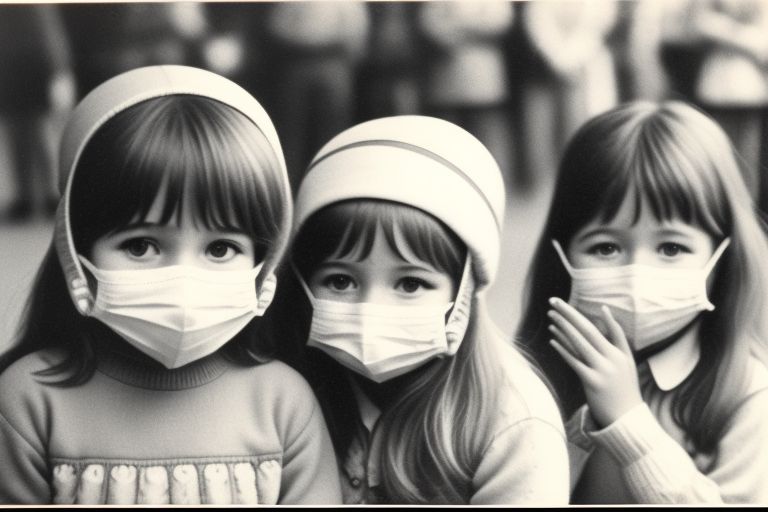
The COVID-19 pandemic brought about sweeping changes to daily life across the globe, none more so than for young people whose worlds were turned upside down by lockdowns, school closures, and social distancing measures. In the thick of these unprecedented disruptions, a critical question emerged: How did these abrupt changes affect the wellbeing of adolescents—those in the midst of pivotal developmental years? A study by an international research team, including Alexandra Bochaver of IOE, offers enthralling insights into the impact of the COVID-19 lockdown on school students' psychological, emotional, and social wellbeing, shedding light on both the challenges they faced and their capacity to adapt. By examining the complexities of adolescent wellbeing during such a tumultuous time in a global context, it underpins the importance of understanding how external crises influence the mental and social health of young people and the need for continued support in the face of such challenges.

Building Strong Ties: HSE Expands Horizons of Educational Collaboration with India

Building Strong Ties: HSE Expands Horizons of Educational Collaboration with India
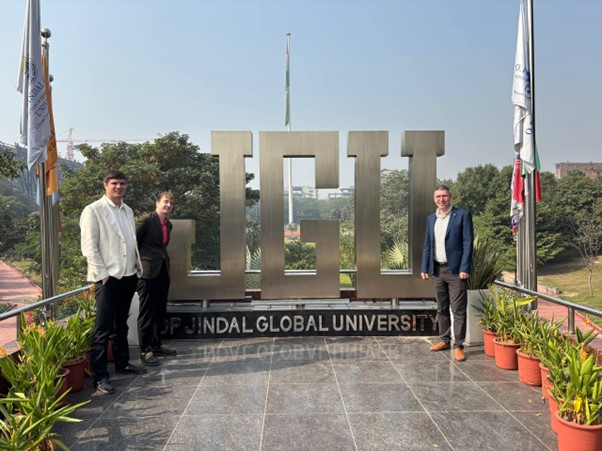
Representatives from the HSE Institute of Education have visited leading Indian universities, including the University of Delhi, Jawaharlal Nehru University, and O.P. Jindal Global University, as well as several research centres. HSE staff gave guest lectures on the Russian education system, highlighting its features and opportunities for international students. The visit aimed to strengthen academic collaboration between the two countries. 

Does Higher-Order Thinking Boost Student Satisfaction?

Does Higher-Order Thinking Boost Student Satisfaction?
Student satisfaction is crucial for universities aiming to improve education and keep students engaged. Irina Shcheglova, Jamie Costley, Elena Gorbunova, and Christopher Lange delve into whether tasks that require higher-order thinking skills (HOTS) make students more satisfied with their academic experiences.

How Family Cultural Capital Is Related to Study Abroad Participation: Insights from First-Generation U.S. College Students

How Family Cultural Capital Is Related to Study Abroad Participation: Insights from First-Generation U.S. College Students
A recent study by Dr. Radomir Ray Mitic, a 2019 recipient of an IOE SemyonovAward fellowship in higher education research, delves into the intricate dynamics shaping study abroad decisions among first-generation U.S. college students. The research offers compelling insights into the pivotal role of family cultural capital. Leveraging data from the Educational Longitudinal Survey (ELS: 2002), Dr. Mitic analyzes precollege and college-related factors influencing students' propensity to engage in international educational experiences.

Experiences of COVID-19: Cooperation & Competition in Russian Education

Experiences of COVID-19: Cooperation & Competition in Russian Education
COVID-19 has had a swift and ubiquitously profound social impact arguably unseen at any other point of crisis in recent history. As the pandemic marched on, Russian education experienced a hard time settling into the new lay of the land with COVID-induced disruptions defying much of the system’s common norms, standards, and practices.

Anastasia Andreeva, Diana Koroleva, Sergei Kosaretsky, and Isaak Frumin have embarked on a research journey to explore how various stakeholders in Russian K—11 education interacted amid a tapestry of centrifugal and centripetal winds stirred by COVID-19. A chapter summarizing the study findings has been published in Springer’s Schools and Society During the COVID-19 Pandemic: How Education Systems Changed and the Road Ahead.

Postdoctoral Fellowships with HSE Institute of Education

Postdoctoral Fellowships with HSE Institute of Education

What ICT Skills Do Graduate Recruiters Seek out the Most?

What ICT Skills Do Graduate Recruiters Seek out the Most?
On Tuesday, June 6, a regular online session as part of the HSE—IOE weekly seminar series ‘Modern Research & Developments in Education’ is hosting an open talk titled, ‘What ICT skills of graduates do employers need?’ by Dr. Jake Murdoch, Institute for Research in the Sociology and Economics of Education, University of Bourgogne, France.

What’s New in Formative Assessment: Insights from US Schools

What’s New in Formative Assessment: Insights from US Schools
Mark your calendars for Monday, March 20 @ 6 pm Moscow time so you do not miss to join an online open talk on formative assessment and how it benefits self-regulated learning skills in middle adolescents by Dr. Angela M. Lui, DAACS Project Manager and Adjunct Assistant Professor, CUNY School of Professional Studies (USA).

Applications for Competition of Innovations in Education Are Open

Applications for Competition of Innovations in Education Are Open
The HSE Institute of Education is the main organizer of the international Competition of Innovations in Education. In addition to the Russian track, the competition is also being held in Kazakhstan, as well as in Armenia and Georgia. Applications are open online until October 21st, 2022. The overall winner will receive an educational grant, while the category winners will receive prizes from our partner organisations.

Exploring School Connectedness as Factor of Adolescent Mental Health

Exploring School Connectedness as Factor of Adolescent Mental Health
Mark your calendars for Tuesday, May 24, 13:00 Moscow time so you do not miss to join us on Zoom for Session 11 as part of the IOE Fast-track Seminar Series in Education 2022. Dr. Rayna Sadia (Riphah International University Islamabad, Pakistan) will be giving a talk titled, “School Connectedness: An Important Aspect of Mental Wellbeing in Peer-victimized Adolescents.”