International Laboratory of Research and Design in elearning


We study how people learn in multimedia environments and design evidence-based solutions grounded in contemporary theory, digital data, and experimental methods


Research & Expertise

Understanding Learning in Digital Environments: Inside IOE’s International Laboratory of Research and Design in elearning

Understanding Learning in Digital Environments: Inside IOE’s International Laboratory of Research and Design in elearning
How has research into online learning evolved over the past decade? What insights can researchers offer into how students learn, interact with educational technologies, and manage their own learning? Established in 2011, the International Laboratory of Research and Design in eLearning at the Institute of Education was one of HSE’s first international laboratories. Initially, its researchers focused on large-scale studies of educational inequality. Over time, their work shifted towards exploring the potential of digital technologies to address educational challenges, particularly through experimental research on digital learning.

From Cognitive Load to Instructional Design: IOE Researchers at European Conferences

From Cognitive Load to Instructional Design: IOE Researchers at European Conferences
Summer is traditionally a busy time for international research visits for colleagues at the International Laboratory of Research and Design in eLearning. This year, the Laboratory’s researchers presented their work at two major European education conferences.

Video Watching Time Does Not Equal Student Cognitive Engagement: A New Study by IOE Researchers

Video Watching Time Does Not Equal Student Cognitive Engagement: A New Study by IOE Researchers
In online learning, instructors often use video analytics to determine student engagement. Metrics such as time-on-video and the number of clicks on a video player are commonly used as indicators of engagement. But do these indicators show meaningful engagement, or merely activity?

Anna Korchak’s Internship in Shanghai: Exploring the Role of Generative AI in Student Group Work

Anna Korchak’s Internship in Shanghai: Exploring the Role of Generative AI in Student Group Work
From 11–18 April, Anna Korchak, a Junior Research Fellow at the International Laboratory for Research and Design in e-learning and a Doctoral Student at the IOE, completed a research internship at East China Normal University (ECNU) in Shanghai. The visit focused on the role of generative AI in collaborative academic writing.

Our 2025 in Review: Research Highlights, Key Achievements, and New Horizons

Laboratory staff members received certificates of appreciation from the Director of the HSE Institute of Education for outstanding research achievements (December 23, 2025)

Upping the Learning Ante: Why Brain Pre-gaming Is the Cognitive Priming Everyone Needs

AI
Is “pre-training” the unsung hero of effective learning—or just an unnecessary hurdle for already smart students? That’s the research quest Anna Gorbunova, Anastasiia Kapuza, Ouhao Chen, and Jamie Costley embark on in their recent study, Rethinking Pre-training: Cognitive Load Implications for Learners with Varying Prior Knowledge. Published in Frontiers in Psychology, their work dives into how priming your mind before tackling complex material can transform the learning experience, challenging long-held beliefs about how we actually absorb knowledge.

From Innovative Technologies in Education to Learning Experiences: What Made the 17th Asian Conference on Education Remarkable

From Innovative Technologies in Education to Learning Experiences: What Made the 17th Asian Conference on Education Remarkable
On 23–28 November, the 17th Asian Conference on Education (ACE2025) was held in Tokyo. It brought together colleagues from the International Laboratory of Research and Design in eLearning of the Institute of Education.

International Laboratory for Evaluation of Practices and Innovations in Education went to the ECER Conference

International Laboratory for Evaluation of Practices and Innovations in Education went to the ECER Conference
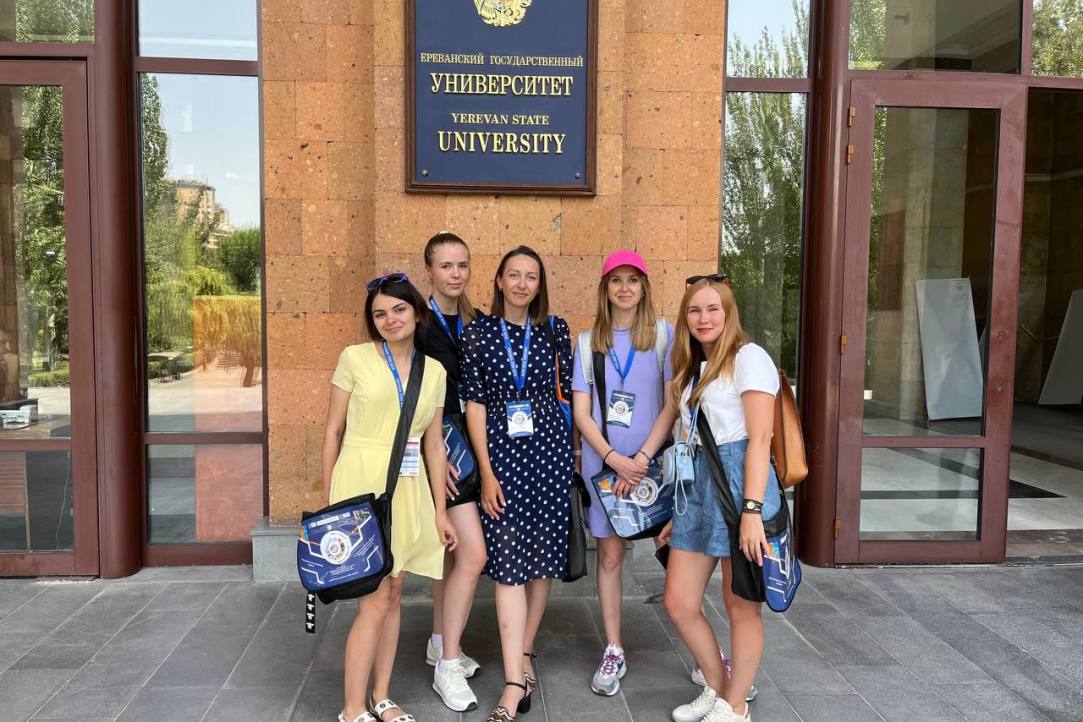
For the first time since the begining of the COVID-19 pandemic, our colleagues went to the international offline conference, European Conference on Educational Research (ECER) 2022, which took place in Yerevan, Armenia this year. ECER conferences are held annually, attracting researchers from more than 70 countries, and are organized by the European Educational Research Association. We asked our colleagues to share their impressions of the conference and talk about the research they presented.

Is Shadow Education Good for Us?

Prashant Loyalka is a visiting Leading Research Fellow at the HSE Institute for Education and the International Laboratory for Education Policy Analysis. His research article, ‘Does Shadow Education Help Students Prepare for College?’ will be published in the International Journal of Educational Development Vol 49, in July 2016. In an interview with HSE News Service, Dr Loyalka talked about his research into the advantages and shortcomings of shadow education and about why American parents send their kids to after-school Russian math class.