International Laboratory of Research and Design in elearning


We study how people learn in multimedia environments and design evidence-based solutions grounded in contemporary theory, digital data, and experimental methods


News

Our 2025 in Review: Research Highlights, Key Achievements, and New Horizons

Laboratory staff members received certificates of appreciation from the Director of the HSE Institute of Education for outstanding research achievements (December 23, 2025)

Freedom to Learn Online, and Why Strategy Matters

Freedom to Learn Online, and Why Strategy Matters
Online learning promises flexibility. In asynchronous courses, students can decide when, how, and in what order to engage with learning materials. Yet this freedom comes with new challenges. Without a prescribed learning sequence, students must design their own pathways, and these choices can shape not only how much they learn, but how difficult learning feels.

Upping the Learning Ante: Why Brain Pre-gaming Is the Cognitive Priming Everyone Needs

AI
Is “pre-training” the unsung hero of effective learning—or just an unnecessary hurdle for already smart students? That’s the research quest Anna Gorbunova, Anastasiia Kapuza, Ouhao Chen, and Jamie Costley embark on in their recent study, Rethinking Pre-training: Cognitive Load Implications for Learners with Varying Prior Knowledge. Published in Frontiers in Psychology, their work dives into how priming your mind before tackling complex material can transform the learning experience, challenging long-held beliefs about how we actually absorb knowledge.

From Innovative Technologies in Education to Learning Experiences: What Made the 17th Asian Conference on Education Remarkable

From Innovative Technologies in Education to Learning Experiences: What Made the 17th Asian Conference on Education Remarkable
On 23–28 November, the 17th Asian Conference on Education (ACE2025) was held in Tokyo. It brought together colleagues from the International Laboratory of Research and Design in eLearning of the Institute of Education.

International Laboratory for Evaluation of Practices and Innovations in Education went to the ECER Conference

International Laboratory for Evaluation of Practices and Innovations in Education went to the ECER Conference
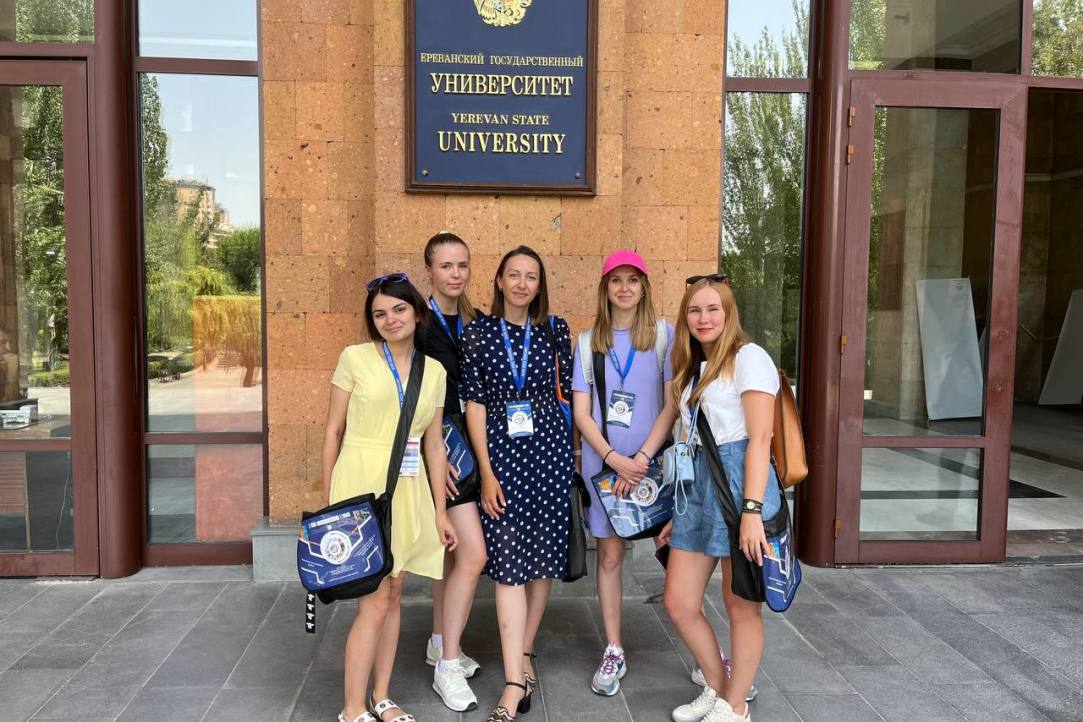
For the first time since the begining of the COVID-19 pandemic, our colleagues went to the international offline conference, European Conference on Educational Research (ECER) 2022, which took place in Yerevan, Armenia this year. ECER conferences are held annually, attracting researchers from more than 70 countries, and are organized by the European Educational Research Association. We asked our colleagues to share their impressions of the conference and talk about the research they presented.

Study of the International Laboratory for Evaluation of Practices and Innovations in Education was included in the effectiveness research database of the Abdul Latif Jamil Poverty Action Lab (J-PAL)

Study of the International Laboratory for Evaluation of Practices and Innovations in Education was included in the effectiveness research database of the Abdul Latif Jamil Poverty Action Lab (J-PAL)
The research of the International Laboratory of Evaluation of Practices and Innovations in Education was included in the research base of the Laboratory of Action against Poverty Abdul Latif Jamil (Poverty Action Lab, J-PAL)

International Laboratory launches a new series of online classes on effectiveness in education for KazNPU partners

International Laboratory launches a new series of online classes on effectiveness in education for KazNPU partners

Call for Collaboration!

Call for Collaboration!
Work with the research in the field of evaluation of practice and innovation in education

Studying in spite of Closed Borders

Studying in spite of Closed Borders
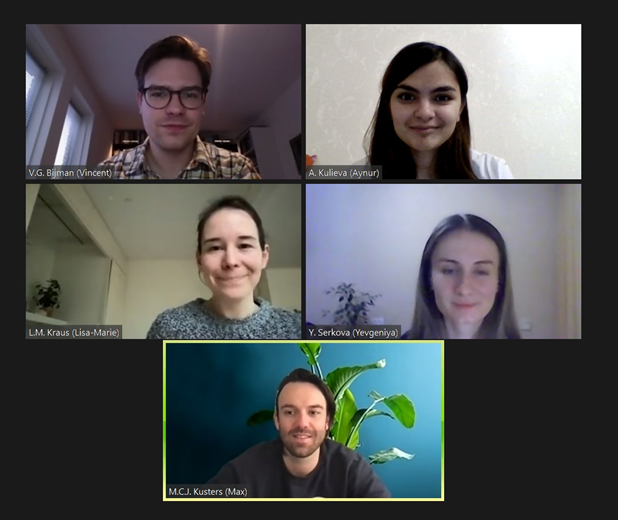
International Laboratory's staff participated in the Winter School in the Netherlands.

"Moscow Miracle" Secret Revealed

Schools in Moscow are the best at teaching students. This point was recently supported by recently published results of the international TIMSS study. The scores of Moscow students turned out to be higher than not only general Russian scores but also the average scores from Europe. What is the secret of the "Moscow miracle" - opinions differ, and research has not yet been carried out. A group of young scientists from the International Laboratory for Evaluation of Practice and Innovation in Education has found a way to test all hypotheses. The case of New Moscow will help with this. The project received a grant "Evidence-Based Policy 2020" from the Center for Advanced Management Solutions.
1 2