Institute of Education

Research & Expertise to Make a Difference in Education & Beyond

Tag "expertise"

Teen Agency: How Young Minds Push Boundaries, Break Rules, and Seek Meaning

AI
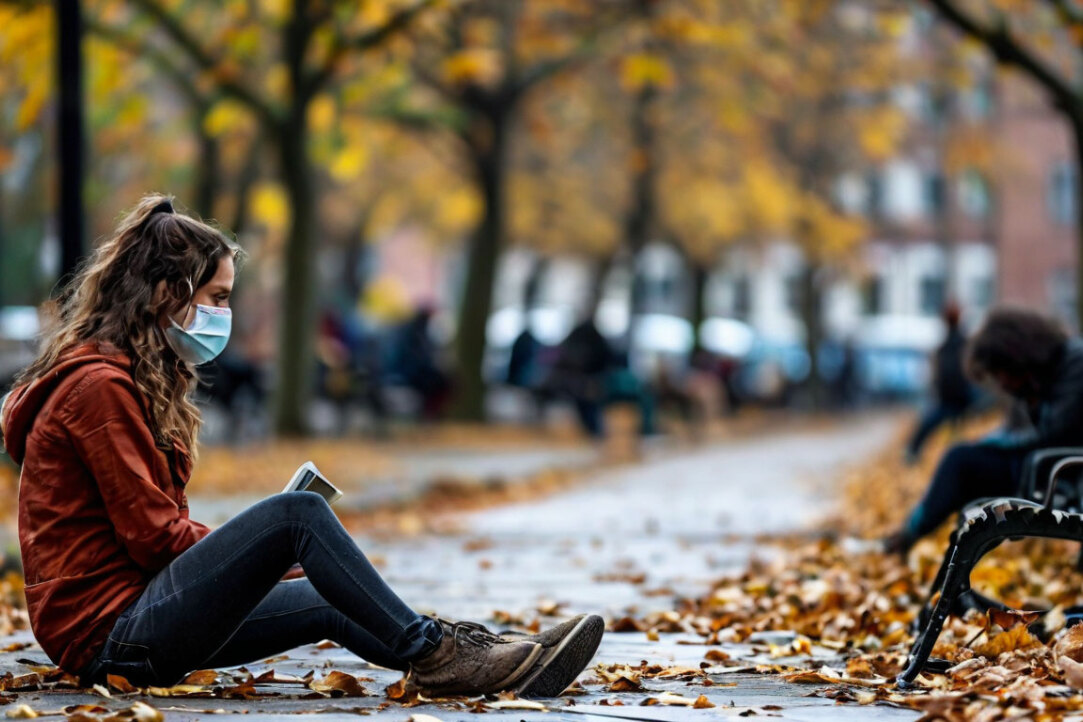
In a world marked by instability—from global pandemics to shifting political landscapes—young people are increasingly called upon to act, not just react. But what gives teenagers the power to step forward, make their voices heard, and shape their own futures? A new study by Mikhail Goshin, Dmitry Grigoryev, and Pavel Sorokin takes a fresh look at this question through a psychological lens, offering a nuanced picture of adolescent agency and how it links to conformity, rebellious behavior, and a hunger for intellectual challenge.

Level Up! How Gamification Is Reshaping Education—and Your Future Job

AI
Imagine if your classes felt more like a game than a grind. Badges for breakthroughs, points for participation, and friendly leaderboards that spark just enough rivalry to keep you coming back. It’s not a futuristic fantasy—it’s happening now. Gamification in education isn’t just about fun; it's becoming a strategic tool to build the very skills employers are hungry for. A recent study published in Educational Studies Moscow dives into data to show how playing games in class might just be the smartest way to land that dream job.

Youth on the Edge: Navigating the Bumpy Road to Adulthood

AI
In a fiercely polarized, starkly unequal world, more young people have found themselves struggling as they navigate a path into an adult life of meaning and impact. Drawing on the theoretical frameworks of prefiguration and resilience, a study by Anastasiia Andreeva, Elena Omelchenko, and Pavel Sorokin highlights the diverse ways in which young people in Russia respond to the uncertainties shaping their lives.

Locked Down but Not Defeated: A Global Snapshot of Adolescent Wellbeing During COVID-19

Locked Down but Not Defeated: A Global Snapshot of Adolescent Wellbeing During COVID-19
The COVID-19 pandemic brought about sweeping changes to daily life across the globe, none more so than for young people whose worlds were turned upside down by lockdowns, school closures, and social distancing measures. In the thick of these unprecedented disruptions, a critical question emerged: How did these abrupt changes affect the wellbeing of adolescents—those in the midst of pivotal developmental years? A study by an international research team, including Alexandra Bochaver of IOE, offers enthralling insights into the impact of the COVID-19 lockdown on school students' psychological, emotional, and social wellbeing, shedding light on both the challenges they faced and their capacity to adapt. By examining the complexities of adolescent wellbeing during such a tumultuous time in a global context, it underpins the importance of understanding how external crises influence the mental and social health of young people and the need for continued support in the face of such challenges.

Pioneering Psychometrics-Based Assessment of Large Language Models in Education

Pioneering Psychometrics-Based Assessment of Large Language Models in Education
In the rapidly evolving landscape of artificial intelligence, understanding the capabilities and limitations of large language models (LLMs) in specialized fields such as education is crucial. A study by Elena Kardanova, Alina Ivanova, Ksenia Tarasova, Taras Pashchenko, Aleksei Tikhoniuk, Elen Yusupova, Anatoly Kasprzhak, Yaroslav Kuzminov, Ekaterina Kruchinskaia, and Irina Brun, introduces a novel psychometrics-based methodology to assess LLM performance in the field of pedagogy. By focusing on the educational domain and developing a robust benchmark tailored for LLM evaluation, the authors offer new insights into the strengths and weaknesses of these models.

Active vs. Passive Teaching in Close-up: Implications for Student Success at University

Active vs. Passive Teaching in Close-up: Implications for Student Success at University
In an era where the demand for innovative educational strategies is paramount, the effectiveness of teaching methods in fostering student learning has come under scrutiny. A recent study by Evgeniy Terentev, Irina Shcheglova, Denis Federiakin, Yuliya Koreshnikova, and Jamie Costley delves into the contrasting realms of active and passive teaching approaches within the context of economics and management education at a leading Russian university. By examining how these teaching methodologies influence student performance across various cognitive levels, the authors aim to shed light on the vital role of instructional practices in preparing students for success in an increasingly complex and competitive knowledge economy.

Redefining School Leadership: Lessons from the Pandemic

Redefining School Leadership: Lessons from the Pandemic
In the wake of the COVID-19 pandemic, the landscape of educational leadership has been irrevocably altered. School principals, once predominantly focused on political maneuvering within the educational sphere, have had to swiftly adapt to a new set of challenges and priorities.

In this study, Nazir Ahmed Jogezai and Fozia Ahmed Baloch explore the transformative journey of school leaders during and after the pandemic, highlighting how their leadership styles have evolved from a primarily political frame to a blend of symbolic and political approaches.

Does Higher-Order Thinking Boost Student Satisfaction?

Does Higher-Order Thinking Boost Student Satisfaction?
Student satisfaction is crucial for universities aiming to improve education and keep students engaged. Irina Shcheglova, Jamie Costley, Elena Gorbunova, and Christopher Lange delve into whether tasks that require higher-order thinking skills (HOTS) make students more satisfied with their academic experiences.

Galvanizing the 'Shock Innovation' in Education: Lessons from the COVID-19 Pandemic

Galvanizing the 'Shock Innovation' in Education: Lessons from the COVID-19 Pandemic
In the wake of the COVID-19 pandemic, education systems worldwide underwent an unprecedented transformation, propelled by the urgent need for digital solutions. A study by Diana Koroleva and Anastasia Andreeva explores this phenomenon through the concept of ‘Shock Innovation,’ shedding light on how crises can accelerate technological adoption in education.

Institute of Education strengthens cooperation with colleagues from China

Institute of Education strengthens cooperation with colleagues from China
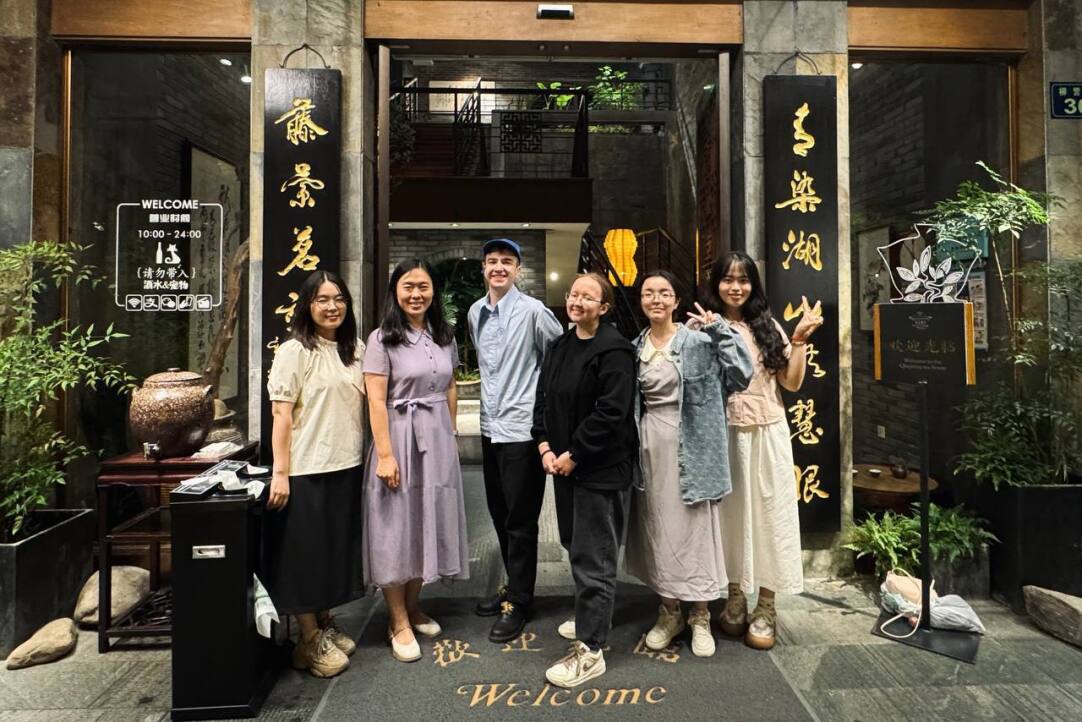
From 23 to 28 June 2024, the delegation of HSE University made a number of visits to leading universities in China. During the visit, representatives of the Institute of Education — Maxim Nikitin and Svetlana Zhuchkova — shared current results and ideas of the strategic project "Success and Self-Sustainability of the Individual in a Changing World" and exchanged proposals for cooperation in future research and projects.